



Building your own home is a rewarding project that lets you create a living space that fits your needs and preferences. This guide will help you understand the essential steps and considerations in the home-building process, from planning to moving in.
Planning and Design
How to Start Planning to Build a House
Planning is the first and most important step in building a home. It sets the foundation for everything that follows.
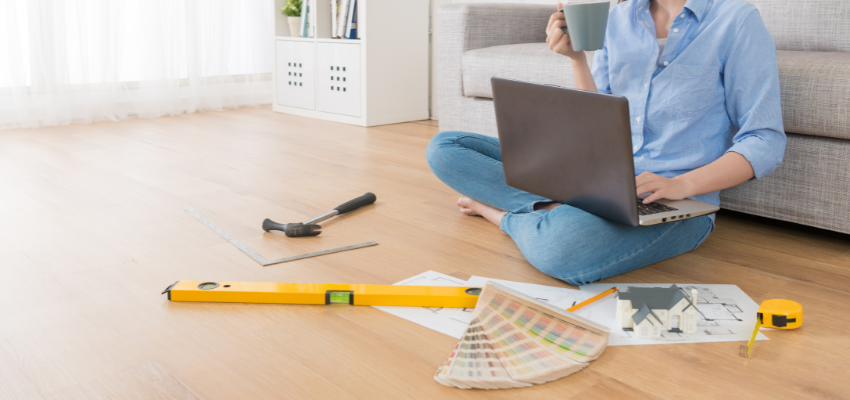
- Create a Home Building Plan: Start by listing your needs and wants. Think about the number of bedrooms, bathrooms, and special features you want.
- Work with Professionals: Hire an architect or a designer to create detailed plans. They will help you make the most of your space and budget.
- Home Building Checklist: Make a checklist of tasks to keep track of your progress. Include everything from choosing materials to getting permits.
Home Building Checklist for Beginners
Creating a home-building checklist helps you stay organized and ensures that you don’t miss any important steps.
- Define Your Budget: Know how much you can spend on your new home.
- Find a Building Site: Choose a location that fits your lifestyle and meets all zoning laws and building codes.
- Hire a Builder: Select a reliable builder with experience and good reviews.
Important Home Building Steps to Consider
There are several critical steps in the home-building process that you need to consider.
- Get Permits: Obtain all the necessary permits before starting construction.
- Plan Your Timeline: Create a timeline for each stage of construction.
- Prepare for Inspections: Be ready for inspections at various stages to ensure compliance with building codes.
Budgeting and Financing
How Much Money You Need to Build a House
Budgeting is crucial to avoid overspending and to ensure you have enough funds to complete your home.
- Estimate Costs: Consider costs for land, materials, labor, and permits. Get multiple estimates from contractors to compare prices.
- Include Unexpected Expenses: Set aside a part of your budget for unexpected costs like weather delays or material price increases.
Financial Steps to Building a House
Financing your home build requires careful planning and consideration of different options.
- Explore Financing Options: Look into construction loans, mortgages, and personal savings. Talk to a financial advisor to choose the best option.
- Create a Detailed Budget: Break down all expenses to avoid surprises. Include costs for permits, materials, labor, and finishing touches.
- Manage Costs Efficiently: Monitor your spending throughout the project. Regularly review your budget to ensure you stay on track.
Managing Home Building Costs Efficiently
Efficient cost management helps you complete your home within budget and avoid financial stress.
- Track Expenses: Keep a record of all expenses and compare them against your budget.
- Negotiate with Suppliers: Get multiple quotes and negotiate prices for materials and services.
- Prioritize Spending: Focus on essential items first and consider upgrades later.
Choosing the Right Location
Factors to Consider When Choosing a Building Site
The location of your home affects its value, accessibility, and overall livability.
- Proximity to Amenities: Choose a site near schools, healthcare facilities, shopping centers, and recreational areas.
- Neighborhood and Accessibility: Evaluate the safety and ambiance of the neighborhood. Check the accessibility of major roads and public transportation.
- Zoning Laws and Regulations: Understand local zoning laws and building codes. Ensure your chosen site complies with these regulations.
How to Choose the Perfect Home Location
Selecting the right location is key to your satisfaction and convenience.
- Research the Area: Look into the local community, crime rates, and school quality.
- Visit Multiple Sites: Compare different locations to find the one that best suits your needs.
- Consider Future Growth: Think about how the area might develop in the future. Choose a location with potential for value appreciation.
Understanding Zoning Laws and Regulations
Zoning laws and regulations can impact your home-building project significantly.
- Check Local Zoning Laws: Ensure your building plans comply with local zoning regulations.
- Understand Building Codes: Familiarize yourself with building codes to avoid delays and fines.
- Consult with Experts: Talk to local authorities or hire a zoning expert to help navigate these regulations.
Obtaining Permits and Approvals
Essential Permits for Building a Home
Securing the necessary permits is crucial before you start construction.
- Building Permit: Required for any new construction. It ensures your plans meet local building codes.
- Electrical Permit: Needed for all electrical work in your new home.
- Plumbing Permit: Required for installing plumbing systems.
- Mechanical Permit: Necessary for heating, ventilation, and air conditioning (HVAC) systems.
Steps to Obtain Building Approvals
Follow these steps to get the required permits and approvals:
- Submit Plans: Provide detailed plans and specifications to your local building department.
- Wait for Review: Your plans will be reviewed to ensure they meet all codes and regulations.
- Make Revisions: If required, revise your plans according to the feedback.
- Receive Permits: Once approved, you will receive the necessary permits to start construction.
Tips for Navigating the Permitting Process
The permitting process can be complex, but these tips can help:
- Start Early: Begin the permit application process as soon as your plans are ready.
- Stay Organized: Keep all documents and correspondences organized.
- Consult Professionals: Hire professionals who are familiar with the local permitting process.
Hiring Contractors and Builders
How to Choose a Home Builder
Selecting the right builder is crucial for a successful home-building project.
- Research Builders: Look for builders with good reviews and a solid reputation.
- Review Portfolios: Check their previous projects to see if they match your style and standards.
- Interview Candidates: Ask about their experience, processes, and timelines.
Tips for Hiring Reliable Contractors
Reliable contractors can make a significant difference in the quality of your home.
- Check Credentials: Ensure they have the necessary licenses and insurance.
- Get References: Ask for references and talk to previous clients about their experiences.
- Sign a Clear Contract: Make sure the contract details the scope of work, timelines, and payment schedules.
Importance of Builder Selection
Choosing the right builder impacts the quality and efficiency of your project.
- Quality of Work: A good builder ensures high-quality construction.
- Project Management: They manage the project efficiently, reducing delays and issues.
- Communication: A reliable builder keeps you informed and addresses any concerns promptly.
Construction Process Overview
Steps to Building a House: Checklist
Understanding the construction process helps you stay on track.
- Site Preparation: Clear the land and prepare the building site.
- Foundation: Pour the foundation, ensuring it is sturdy and waterproof.
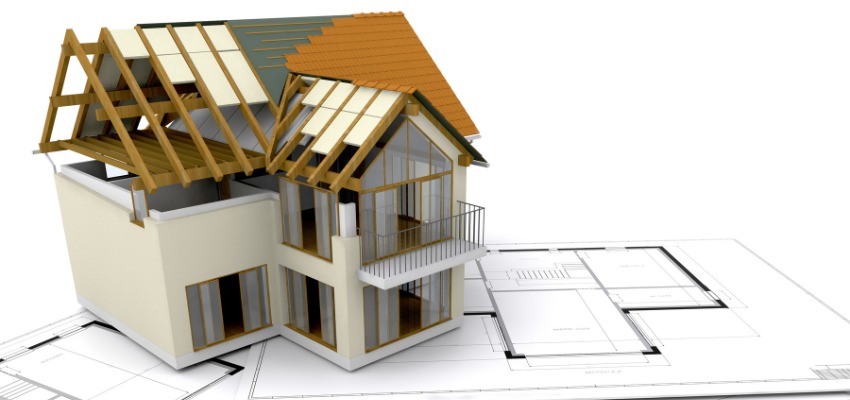
- Framing: Build the skeleton of the house, including walls, windows, doors, and roof systems.
- Installing Systems: Set up plumbing, electrical wiring, and HVAC systems.
- Insulation and Drywall: Install insulation and drywall for energy efficiency and comfort.
- Interior and Exterior Finishing: Add the final touches, including doors, windows, trim, and landscaping.
Detailed Guide to Home Construction Process
A detailed guide helps you understand each stage of construction.
- Site Preparation: Remove debris, level the site, and install temporary utilities.
- Foundation: Excavate the site, pour footings, and construct foundation walls.
- Framing: Build the frame of the house, install sheathing, and cover with protective wrap.
- Systems Installation: Install plumbing, electrical, and HVAC systems.
- Insulation and Drywall: Add insulation and hang drywall.
- Finishing Touches: Complete interior and exterior finishes.
First Steps in Building a House
Knowing the first steps can set the stage for a smooth construction process.
- Obtain Permits: Get all necessary permits before starting.
- Site Preparation: Clear the land and prepare the site.
- Lay the Foundation: Pour a strong and durable foundation.
Site Preparation and Foundation
How to Prepare Your Building Site
Proper site preparation is crucial for a solid foundation.
- Clearing the Site: Remove all debris, brush, and rocks from the building site.
- Grading the Land: Level the site and grade it to ensure proper water drainage.
- Surveying: Stake out the lot based on property boundaries and building plans.
Steps to Lay a Strong Foundation
A sturdy foundation is essential for a long-lasting home.
- Excavation: Dig trenches for footings and the foundation.
- Pouring Footings: Pour concrete footings to support the foundation walls.
- Foundation Walls: Build foundation walls using poured concrete or concrete blocks.
- Waterproofing: Apply a waterproofing membrane to the foundation walls to prevent moisture issues.
What Part of a House is Built First?
The foundation is the first major part of a house that is built.
- Footings: These are poured first to support the foundation.
- Foundation Walls: Constructed on top of the footings.
- Slab or Basement Floor: Poured after the foundation walls are in place.
Framing and Structural Work
How to Build the Skeleton of a House
Framing creates the basic structure of your home.
- Floor System: Install floor joists and subflooring.
- Wall Framing: Erect the walls, including studs, top plates, and bottom plates.
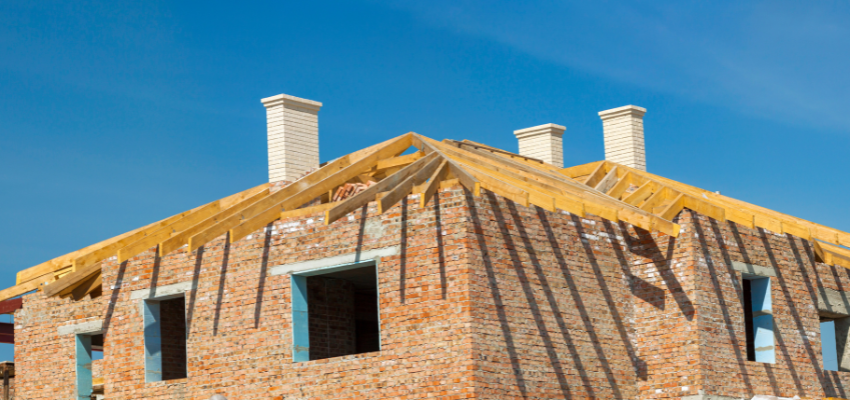
- Roof Framing: Construct the roof with rafters or trusses.
Importance of Precise Framing in Construction
Precise framing ensures structural integrity and proper fitting of other components.
- Measurements: Accurate measurements are crucial for a stable structure.
- Level and Plumb: Ensure all walls are level and plumb to avoid future issues.
- Sheathing: Attach sheathing to exterior walls and roof for added strength and weather protection.
Step-by-Step Guide to Framing a House
Follow these steps for effective framing:
- Lay Out the Walls: Mark locations for walls on the subfloor.
- Build Wall Sections: Assemble wall sections on the ground before raising them.
- Erect the Walls: Raise and secure the wall sections in place.
- Install Roof Trusses or Rafters: Complete the roof framing.
Installing Essential Systems
Setting Up Plumbing, Electrical, and HVAC
Installing essential systems is a critical step in the construction process.
- Plumbing: Run water supply lines, drain pipes, and vent pipes.
- Electrical: Install wiring, outlets, switches, and the electrical panel.
- HVAC: Set up ductwork, vents, and HVAC equipment.
Tips for Installing Essential Home Systems
Ensure the safe and efficient installation of essential systems.
- Hire Professionals: Use licensed plumbers, electricians, and HVAC technicians.
- Follow Codes: Adhere to local building codes and regulations.
- Inspect Work: Regularly inspect the work to ensure it meets standards.
Ensuring Compliance with Building Codes
Compliance with building codes is mandatory for safety and legality.
- Regular Inspections: Schedule inspections at various stages of installation.
- Correct Issues Promptly: Address any issues identified during inspections immediately.
- Keep Records: Maintain records of inspections and approvals.
Insulation and Drywall
Types of Insulation and Their Benefits
Insulation is essential for energy efficiency and comfort.
- Fiberglass: Common and cost-effective, good for walls and attics.
- Spray Foam: Provides excellent air sealing and high R-value.
- Mineral Wool: Fire-resistant and soundproofing qualities.
How to Install Drywall in Your Home
Drywall creates smooth interior walls and ceilings.
- Hanging Drywall: Secure drywall sheets to wall studs and ceiling joists.
- Taping and Mudding: Cover seams with tape and joint compound.
- Sanding: Sand the dried compound for a smooth finish.
Steps for Proper Insulation and Drywall Installation
Follow these steps for effective insulation and drywall installation:
- Install Insulation: Fit insulation between wall studs and ceiling joists.
- Hang Drywall: Attach drywall panels to the framework.
- Finish Drywall: Tape, mud, and sand the joints for a smooth surface.
Interior and Exterior Finishing
Interior Finishing: Doors, Windows, Trim
Interior finishing gives your home a polished look.
- Doors: Install interior doors, ensuring they fit properly and operate smoothly.
- Windows: Fit windows, making sure they are properly sealed and insulated.
- Trim: Add baseboards, crown molding, and other trim to complete the look.
Exterior Finishing: Driveways, Walkways, Patios
Exterior finishing enhances the curb appeal and functionality of your home.
- Driveways: Install a durable driveway using concrete, asphalt, or pavers.
- Walkways: Create walkways to connect different parts of your property.
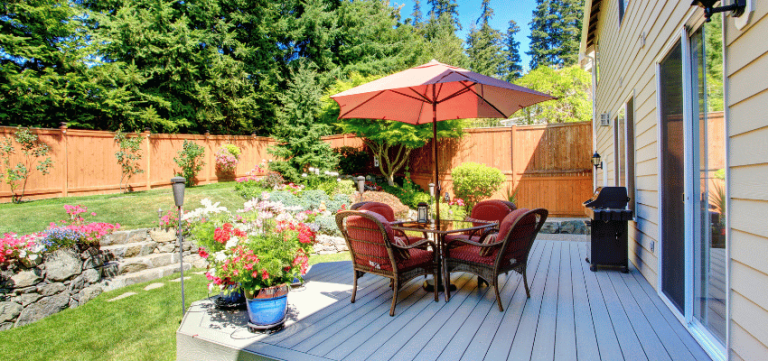
- Patios: Build patios for outdoor living spaces.
Tips for Choosing Finishing Materials
Selecting the right materials is crucial for both aesthetics and durability.
- Durability: Choose materials that will last and require minimal maintenance.
- Aesthetics: Select colors and styles that match your overall design vision.
- Cost: Consider your budget when choosing materials, balancing quality with affordability.
Materials and Sustainability
Choosing Quality Building Materials
Quality materials ensure the longevity and performance of your home.
- Wood: Use high-quality lumber for framing and finishing.
- Concrete: Opt for durable concrete mixes for foundations and driveways.
- Insulation: Select efficient insulation materials to maintain indoor comfort.
Sustainable Home Building Guide
Incorporate sustainable practices to reduce environmental impact.
- Energy Efficiency: Use energy-efficient windows, appliances, and HVAC systems.
- Renewable Resources: Choose materials from renewable resources, like bamboo flooring.
- Recycling: Use recycled materials where possible, such as reclaimed wood.
Energy-Efficient Home Building Tips
Building an energy-efficient home saves money and resources.
- Solar Panels: Install solar panels to generate renewable energy.
- Insulation: Ensure proper insulation to reduce heating and cooling costs.
- Smart Home Systems: Use smart thermostats and lighting to optimize energy use.
Final Inspections and Moving In
Conducting Final Inspections
Final inspections ensure your home is safe and built to code.
- Building Inspection: A building inspector will check all aspects of the construction.
- System Inspections: Inspect plumbing, electrical, and HVAC systems.
- Compliance: Ensure all work complies with local building codes and regulations.
Preparing for Move-In Day
Get ready for a smooth transition into your new home.
- Clean-Up: Hire a professional cleaning service to make sure your home is spotless.
- Utility Set-Up: Ensure all utilities (electricity, water, gas) are connected and working.
- Furniture Arrangement: Plan where to place your furniture before moving in.
Importance of 11-Month Warranty Inspection
An 11-month inspection can help catch issues before the warranty expires.
- Identify Issues: Look for any defects or problems that have developed.
- Schedule Repairs: Arrange for repairs under the builder’s warranty.
- Ensure Satisfaction: Make sure your home meets your expectations and is free of issues.
Frequently Asked Questions
Is it cheaper to build a home or buy a home?
Building a home can be cheaper in the long run because you can customize it to your needs and use energy-efficient materials, which can reduce utility bills. However, upfront costs can be higher compared to buying an existing home.
How do I start planning to build a house?
Start by defining your budget, finding a suitable building site, and creating a detailed home building plan. Hiring professionals like architects and builders early on can help streamline the process.
How much money do you really need to build a house?
The cost to build a house varies based on location, size, design, and materials. On average, it can range from $121,000 to over $500,000. It’s important to include a buffer for unexpected expenses.
What is the first thing to build a house?
The first step in building a house is preparing the site and laying the foundation. This involves clearing the land, grading, and pouring the footings and foundation walls.
What are the disadvantages of building a house?
Building a house can be time-consuming and stressful, with potential delays and unexpected costs. It also requires significant upfront investment and careful project management.
Final Thoughts and Next Steps
Building a home is a complex but rewarding process that requires careful planning and execution. By following this guide, you can navigate each step with confidence, from initial planning to moving in. Remember to work with experienced professionals, stay organized, and keep an eye on your budget. With careful attention to detail, you can create a beautiful, functional home that meets your needs and preferences.
At It’s All About the News, we strive to provide valuable insights and practical advice for all your home building needs. Ready to start your home-building journey? Explore more resources on our blog and take the first step towards building your dream home today!